


The NCCR Summer Feature shares the highlights from the National Childhood Cancer Registry (NCCR) session held at the 2026 NAACCR Annual Conference. This edition also features funding opportunities, new data source included in the NCCR Data Platform upcoming CCDI symposium, and the 2026 NCI Data Jamboree.
Highlights of the 2026 NAACCR Annual Conference
The 2026 NAACCR Annual Conference was held virtually from June 23–25, 2026, bringing together cancer registry professionals, researchers, clinicians, and public health partners to share advances in cancer surveillance, data integration, research, and informatics.
Five hundred eighty-three people attended the conference, and of those, 99 attended the NAACCR Conference for the first time.
The program featured presentations on emerging trends in cancer surveillance, advances in data linkage and analytics, research using registry data, and collaborative efforts to improve cancer outcomes. The conference also included a dedicated session highlighting the National Childhood Cancer Registry (NCCR) initiative and the growing impact of the NCCR Data Platform on childhood and adolescent and young adult (AYA) cancer research.
Here, we briefly share the highlights from the NCCR session. Recordings from all the presentations are now available for attendees to access at: https://www.naaccr2026.org/blank-1.
Plenary #2: Cancer in the Next Generation: Children, Adolescents and Young Adults
A notable highlight of the 2026 NAACCR Conference was Plenary 2: Using the National Childhood Cancer Registry to Evaluate Geographic Differences in Childhood Cancer Experience, which showcased how the National Childhood Cancer Registry (NCCR) is helping researchers better understand patterns of childhood cancer across different populations and geographic regions. The session demonstrated the growing value of linked data resources for studying cancer incidence, treatment, survival, and disparities among children and adolescents and young adults (AYA) diagnosed with cancer.
Using the National Childhood Cancer Registry to Evaluate Geographic Differences in Childhood Cancer Experience
Tamara P. Miller1
1 Emory University
Childhood cancer is rare, with approximately 16,000 new cases diagnosed annually in children under age 20 in the United States. No single institution treats enough patients to conduct large studies; further, patients may receive care at multiple institutions over time. The National Childhood Cancer Registry (NCCR) aims to address this research need. The NCCR includes detailed, longitudinal treatment and survivorship data matched to registry data for children, adolescents and young adults with a first cancer diagnosis under the age of 40. The 29 NCCR registries represent 76% of the United States population and include more than 1.7 million cancer cases diagnosed from 1995-2022.
There are multiple NCCR data products, requiring varying levels of access, and providing different levels of detail for evaluation of geographic differences in childhood cancer experience.
Open Access
NCCR*Explorer includes precalculated, population-level statistics such as incidence, prevalence, and survival, and can be used as an initial evaluation of the data. The NCCR Data Platform’s Data Browser is also open access, and includes detailed data dictionaries and frequency distributions for variables (e.g., Urban-Rural Indicator Code) in each data source in the NCCR Data Platform. A different way to search the Data Platform to determine if researchers want to submit a data request is to direct their Artificial Intelligence (AI) chatbots to the metadata structure to find out exactly what kinds of data are available in the NCCR Data Platform.
Registered Access
With SEER Research Plus access, researchers can explore NCCR databases in SEER*Stat. This permits calculation of frequencies (e.g., by Yost quintiles), rates, survival and prevalence. Also available with SEER Research Plus access is the Cohort Discovery component of the NCCR Data Platform, which permits users to create cohorts of distinct patients (e.g., by cancer site) to see distributions of certain variables, and to help identify whether NCCR Data Platform data exist to answer a research question. The cohort can then be used to create a data request for de-identified, individual level data.
Controlled Access
NCCR allows creation of custom datasets, with de-identified individual-level registry data linked to real-world data, through controlled access data requests. NCCR Data Platform data requests require Institutional Review Board approval and National Cancer Institute Data Access Committee review. For approved requests, detailed datasets can be used for analyses of treatments and outcomes by geographic area type.
Concurrent 3.A – National Childhood Cancer Registry (NCCR) Research Use Cases
Concurrent Session 3.A featured research projects illustrating how the NCCR Data Platform is advancing our understanding of childhood and AYA cancers through innovative data linkage and analysis.
Using the NCCR Data Platform to Identify Predisposition Syndromes in Pediatric Cancer Patients
Fernanda Silva Michels¹, Serban Negoita², Gonçalo Forjaz³, Tamara P. Miller⁴, Stephanie Hill¹
¹NAACCR, ²National Cancer Institute, ³Westat, ⁴Emory University
Cancer predisposition syndromes (CPS) are inherited conditions that increase the risk of developing cancer. Studies suggest that approximately 8–10% of pediatric cancer patients have a defined CPS, making the identification of these syndromes important for cancer surveillance and clinical management. Population-based cancer registries provide valuable information on cancer incidence and outcomes, but data on cancer predisposition syndromes are often incomplete or unavailable. The National Childhood Cancer Registry (NCCR) Data Platform offers a unique opportunity to address this gap by linking population-based cancer registry data with medical claims data.
Using the NCCR Data Platform, this study used linked data from Consolidated Tumor Case (CTC) data with Medical Claims Diagnosis (MCD) records and evaluated 25 cancer predisposition syndromes reported among pediatric and adolescent and young adult (AYA) cancer patients. Among nearly 1.5 million cancer cases, 26,483 (1.8%) were linked to one of the selected syndromes. While lower than estimates reported in the literature, this likely reflects under-ascertainment due to limitations of claims data and the restricted list of syndromes evaluated.
Li-Fraumeni syndrome was the most frequently identified syndrome, accounting for nearly 39% of all syndrome-associated cases. Overall, the cancer patterns observed were consistent with published literature. For example, Neurofibromatosis Type 1 (NF1) was strongly associated with central nervous system tumors, while Peutz-Jeghers syndrome and Von Hippel-Lindau syndrome showed higher proportions of renal tumors and epithelial cancers.
One particularly interesting finding involved severe congenital neutropenia (SCN). Approximately 40% of SCN-associated cancers were classified as leukemias and related disorders, supporting the well-established association between SCN, acute myeloid leukemia (AML), and myelodysplastic syndromes (MDS). We also observed that 34% of SCN-associated cancers were epithelial neoplasms, with breast carcinomas accounting for 58% of these cases. Because this association has not been widely reported, additional research is needed to better understand this finding.
These results demonstrate the feasibility of using linked real-world data to study cancer predisposition syndromes at scale. The NCCR Data Platform offers a valuable resource for investigating genetic cancer risk and supports future research aimed at improving surveillance, early detection, and outcomes for children and AYA affected by these conditions.
Secondary Cancers and Cardiovascular Disease among Survivors of Childhood, Adolescent, and Young Adult Leukemia and Lymphoma
David H. Noyd, MD, MPH1,2*, Erin Sullivan1, Johanna Goderre, MPH3
1Seattle Children’s Hospital, Seattle, WA, USA, 2Department of Pediatrics, University of Washington, Seattle, WA, USA, 3National Cancer Institute, Rockville, MD, USA
There is a critical need to quantify the burden and engage childhood and young adult cancer survivors at risk for late cardiovascular disease (CVD) to promote health equity. Subsequent malignant neoplasms and CVD represent the leading causes of late morbidity and mortality among childhood, adolescent, and young adult cancer survivors. While many single-institution studies are limited in power to detect rare events and longitudinal follow-up, the National Childhood Cancer Registry offers an opportunity to explore the burden and potential health inequity for SMNs and CVD with a focus on leukemia and lymphoma.
This study aimed to utilize National Childhood Cancer Registry (NCCR) Data Platform to quantify the burden of SMNs and identify potential inequities among childhood, adolescent, and young adult leukemia/lymphoma survivors captured by NCCR with linkage to medical claims, quantify the burden of CVD and identify potential inequities, and compare temporal trends in treatment survival and incidence of CVD and SMNs by decade.
Among survivors in the full cohort (n=226,869), incidence of secondary malignancy ranged from 2.1%-6.9% when stratified by type of cancer, with the highest burden observed among survivors of Hodgkins Lymphoma with a median latency period of 140 months (IQR 61-205). Among survivors with insurance enrollment data (n=18,800), consistent follow-up was available for 31.6% (n=5947) for the CVD analysis, among whom 10-29% of survivors developed CVD.
The quantification of SMNs, CVD, and temporal trends will guide public health efforts to re-engage survivors at risk for late effects in care at critical time points in their survivorship journey. Moreover, NCCR is a feasible approach to conduct these analyses, yet outcomes such as CVD are limited without more robust data linkages for longitudinal follow-up of key late effects.
Leveraging the National Childhood Cancer Registry to Understand Geographical Health Disparities among Rural Americans
Michael E. Scheurer1,2
1Department of Pediatrics, Emory University School of Medicine, 2Aflac Cancer & Blood Disorders Center, Children’s Healthcare of Atlanta
Rural Americans face a well-documented cancer disadvantage: higher incidence, higher mortality, and a survival gap approaching 20% compared to urban counterparts. The contributing factors (e.g., geographic isolation, provider shortages, poverty, environmental exposures, and limited access to clinical trials) have been studied primarily in adult populations. However, far less is known about how these factors contribute to cancer disparities among children, adolescents, and young adults (CAYAs).
We used the National Childhood Cancer Registry (NCCR) to systematically characterize disparities related to cancer incidence and mortality/survival among rural Americans. Established under the Childhood Cancer STAR Act of 2018, the NCCR covers 53% of the U.S. CAYA cancer population and captures richer data elements than standard registries, including clinical trial enrollment through Children’s Oncology Group, treatment records, and linked claims and pharmacy data. These factors make the NCCR uniquely suited for this kind of disparity research.
We presented the initial results from our analysis of the factors related to survival. Overall, rural CAYA patients have significantly worse survival than urban patients across virtually all cancer types. This holds even for cancers with generally favorable prognoses, such as leukemia, retinoblastoma, and germ cell tumors. Disparities were more pronounced among young adults (ages 20–39) compared to children (ages 0-14) and adolescents (ages 15-19) and among non-Hispanic Black patients, who faced nearly twice the mortality risk of non-Hispanic White patients. Increasing neighborhood deprivation was also independently associated with worse survival regardless of geography.
Next steps include finalizing incidence rate calculations, joinpoint trend analyses, and multivariable Poisson regression to identify specific cancers and factors driving excess risk in rural communities. This work underscores the NCCR’s potential as a cornerstone resource for addressing one of pediatric oncology’s most pressing equity challenges.
Survival Disparities among Children Diagnosed with Neuroblastoma Enrolled and Not Enrolled in COG Clinical Trials Using the NCCR Data Platform
Fernanda Silva Michels¹, Eric B. Durbin², Gonçalo Forjaz³, Gerardo Lazaro⁴, Stephanie Hill¹
¹NAACCR, ²Kentucky Cancer Registry, ³Westat, ⁴U.S. Department of Health and Human Services
Neuroblastoma is one of the most common childhood cancers and the most common cancer diagnosed in infants under one year of age. While survival has improved considerably over time, recent studies have identified persistent disparities in outcomes among racial and ethnic groups.
Using the National Childhood Cancer Registry (NCCR) Data Platform, this study compared overall survival among children diagnosed with neuroblastoma who were enrolled in Children’s Oncology Group (COG) clinical trials and those who were not. The NCCR Data Platform links population-based cancer registry data with COG enrollment records, providing a unique opportunity to study outcomes in both trial participants and non-participants.
The study included 4,674 children diagnosed with neuroblastoma, including 3,212 enrolled in COG clinical trials and 1,462 not enrolled. Initial analyses showed differences in survival by enrollment status; however, after adjusting for race, stage, age, sex, and year of diagnosis, clinical trial enrollment was not significantly associated with overall survival.
One of the most important findings was that Black children experienced significantly worse survival compared with White children, even after controlling the multivariate model for other prognostic factors. Advanced-stage disease and older age were associated with poorer outcomes, whereas children diagnosed in more recent years had a lower risk of death, highlighting the substantial improvements in neuroblastoma care achieved over the last two decades.
These findings suggest that disparities in neuroblastoma survival extend beyond clinical trial participation alone and may reflect differences in disease biology, treatment response, or broader social and structural factors. The study also demonstrates the value of the NCCR Data Platform as a powerful resource for investigating childhood cancer outcomes and disparities across diverse populations.
New RadOnc Data Source Now Available Through the National Childhood Cancer Registry
The National Childhood Cancer Registry (NCCR), a part of the Childhood Cancer Data Initiative (CCDI), released a new data source on June 12, 2026, https://nccrdataplatform.ccdi.cancer.gov/release-notes. Linked data sources do not represent the entire population of people diagnosed with cancer in the original catchment area.
The new data source, Radiation Oncology (RadOnc) comprises data from NCI-supported Cancer Centers and the Pediatric Proton/Photon Consortium Registry (PPCR): https://www.pediatricradiationregistry.org/. The RadOnc data source offers expanded radiation treatment data associated with each patient’s course of therapy and provides an enhanced longitudinal perspective regarding a patient’s exposure to radiotherapy. It also consists of diagnosis, treatment modality, radiation source, total and prescribed doses and fractions, radiation site, and other data elements abstracted from the clinical record.
We invite you to visit the NCCR website to learn more: https://nccrexplorer.ccdi.cancer.gov/data-products.html.
NCCR data can be used for NOFOs with deadline extended to Oct 16 for new submissions and Nov 16 for renewals
NCI has extended its deadline for two Notices of Funding Opportunity (NOFOs):
- PAR-25-095 – Secondary Analysis and Integration of Existing Data to Elucidate Cancer Risk and Related Outcomes (R01 Clinical Trial Not Allowed): https://grants.nih.gov/grants/guide/pa-files/PAR-25-095.html
- PAR-25-096 – Secondary Analysis and Integration of Existing Data to Elucidate Cancer Risk and Related Outcomes (R21 Clinical Trials Not Allowed): https://grants.nih.gov/grants/guide/pa-files/PAR-25-096.html
National Childhood Cancer Registry data are eligible to use for these funding (NCCR): https://nccrexplorer.ccdi.cancer.gov/data-products.html.
Under these announcements, researchers can apply for funds to support secondary analysis of existing data. These program announcements aim to “elucidate cancer risk and related outcomes (e.g., risk prediction or reduction, survival, or response to treatment, etc.). The goal is to address key scientific questions relevant to cancer by supporting the analysis of existing clinical, environmental, surveillance, health services, vital statistics, behavioral, lifestyle, genomic, and molecular profiles data,” most of which are available through the Childhood Cancer Data Initiative (CCDI), including NCCR. “Applicants are encouraged to leverage and perform innovative analyses of the existing data. Applications may include new research aims that are being addressed with existing data, new or advanced methods of analyses, or novel combinations and integration of datasets that allow the exploration of important scientific questions in cancer research.”
The overall goals of these announcements are to identify cancer risks and risk reduction strategies, to identify factors that cause cancer in humans, and to discover and develop mechanisms for cancer prevention and preventive interventions in humans. Current deadlines are October 16, 2026, for new proposals and November 16 for renewals.
2026 NCI Data Jamboree: Enhancing Data Sharing and Utility to Advance Cancer Research
The National Cancer Institute invites you to participate in the NCI Data Jamboree: Enhancing Data Sharing and Utility to Advance Cancer Research, November 16–18, 2026, at the NIH Neuroscience Center in Rockville, Maryland. Registration and project submissions are due July 27, 2026. This collaborative event will bring together researchers, trainees, citizen scientists, patients, and advocates to work in small teams and solve scientific and technical challenges using publicly available cancer research datasets. Participants will gain hands-on experience in cohort building, data access, integration and analysis, contribute to the development and application of tools and approaches, evaluate data quality and AI-readiness, and help identify gaps in existing resources. Submit your project today! https://events.cancer.gov/nci/datajamboree.
If you missed the Childhood Cancer Data Jamboree in 2025, this is your opportunity to network and engage with other data users from a diverse background, sharpen your skills, raise your research profiles, and potentially invited as speakers and/or manuscript(s) co-author(s).
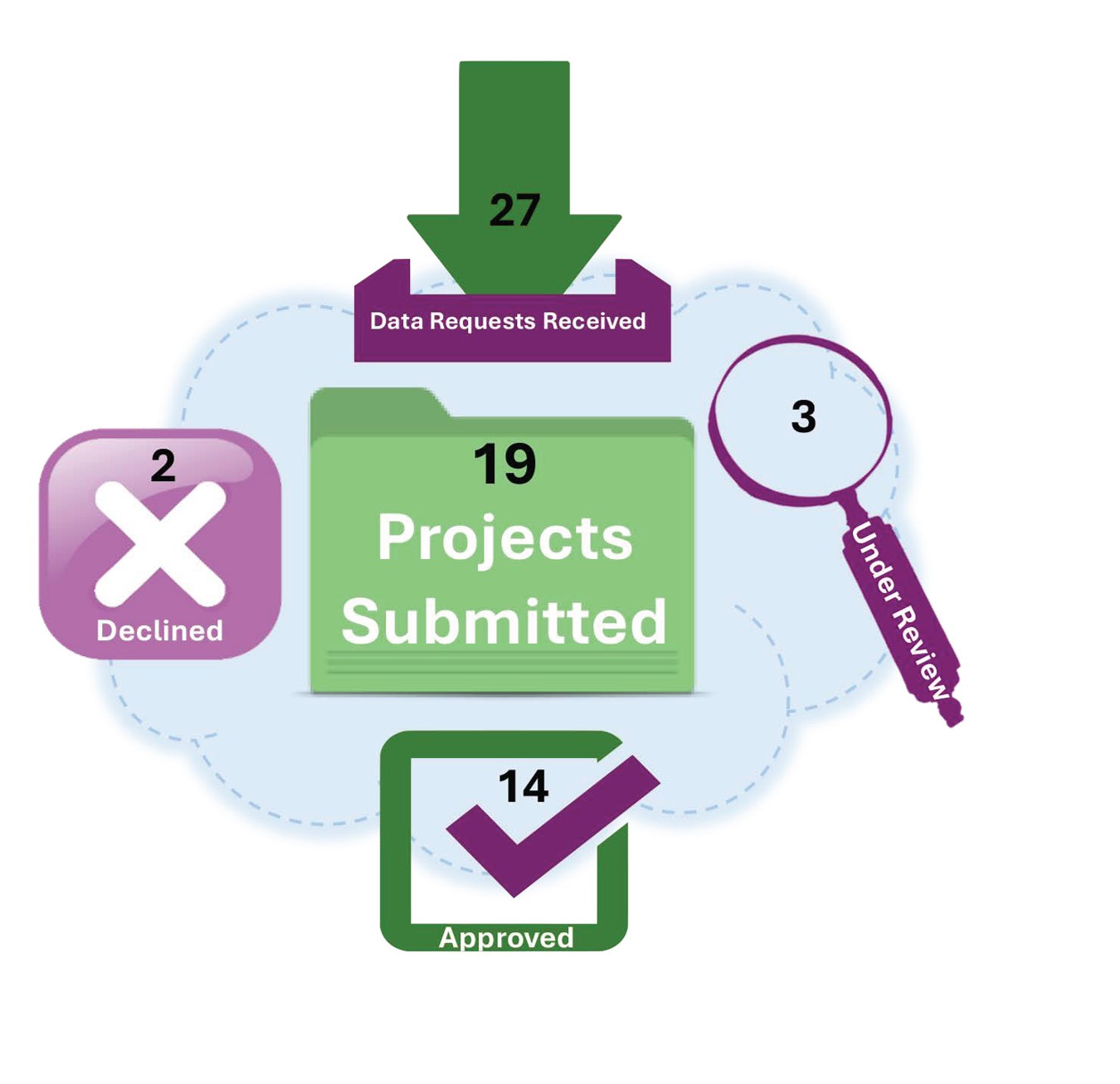
NCCR Data Platform Highlights
For more information about the NCCR Data Platform, visit: https://nccrdataplatform.ccdi.cancer.gov/home.
Mark your Calendar
September 18, 2026 – Childhood Cancer Data Initiative Symposium (hybrid event).
November 16 – 18, 2026 – NCI Data Jamboree: Enhancing Data Sharing and Utility to Advance Cancer Research.
What to Read Next

NCCR Data Now Available in SEER*Stat
For the first time, a limited set of data from the National Childhood Cancer Registry (NCCR) is now available…

Early Stage Detection of Cervical Cancer Improves Survival for Women Under 65
Julianne Cooley, a senior statistician with the California Cancer Reporting and Epidemiologic Surveillance Program, summarizes her study published in the…

Women Exposed to DES in Utero Have Elevated Risk of Clear-Cell Adenocarcinoma
Hannah K. Weir, an epidemiologist with the CDC, summarizes her study published in Springer Link. Purpose Women exposed to diethylstilbestrol…