


Population-based cancer registries play a vital role in collecting high-quality data on newly diagnosed cancers. But it’s equally important to ensure that these data are clearly communicated to policymakers, healthcare professionals, and the public – not only so cancer control efforts and public health priorities are guided by the best available evidence, but also that cancer registries remain visible to the wider community. However, limited resources and access to affordable user-friendly software can make it challenging to share cancer statistics in a way that is both accessible and engaging.
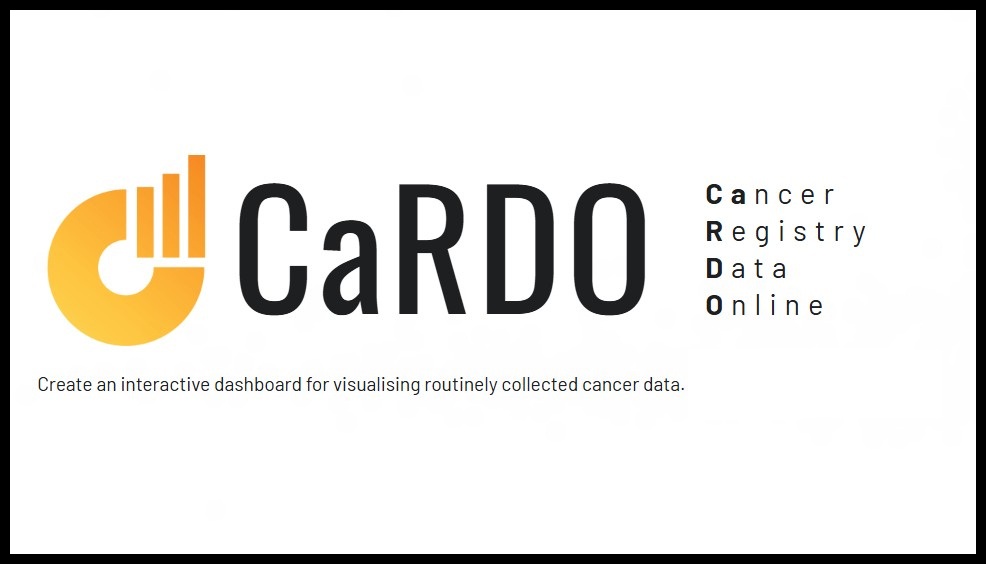
To help address this, the Viertel Cancer Research Centre at Cancer Council Queensland, in Australia, has developed CaRDO – a free, easy-to-use R package that enables cancer registries and organisations to publish population-level cancer statistics through an interactive dashboard. Importantly, CaRDO requires no R or coding expertise. It is now possible to quickly create secure, web-based tools to explore and publish their population-level cancer data – without requiring advanced computing skills.
CaRDO is designed to be simple, visual and secure making it easy to communicate important cancer insights while protecting sensitive data.
Put your cancer data to work – share insights, engage your audience, and inform health policy with CaRDO. See what’s possible here – Example Cancer Dashboard.
Please reach out to us at [email protected] with any questions or feedback – we’d love to hear from you.
Authors
Dr James Retell
Mr Sean Francis
Mr James Rene
Professor Peter Baade
Affiliation
Viertel Cancer Research Centre
Cancer Council Queensland
Brisbane, Australia
Get started here!
Tags: Australia, Featured, R, cancer statistics, dashboards, rdu
What to Read Next

Edit Sets: What They Are, How They Are Used, and What’s New for v25A
Standardized edit sets are a critical part of ensuring cancer registry data quality. At the last count, the NAACCR Edits…

Become a Charter Member of the Upkeep WG!
The Professional Development Steering Committee is looking for three to four volunteers to join the Upkeep Work Group (WG). We…

It Takes a Village: The Collaborative Review Process That Makes VPR Linkages Possible
Since its official launch in 2022, NAACCR’s Virtual Pooled Registry (VPR) has been used in more than 30 minimal risk…